Finding the Best Masonry Contractor: Professional Work for Your Home's Foundation
Choosing an ideal masonry contractor is essential for ensuring the integrity of a home's foundation. A contractor's qualifications, expertise, and communication approach are critical factors in the selection process. Homeowners should evaluate several key factors before making a decision. Understanding these elements can help avoid costly mistakes. What should be prioritized when evaluating potential candidates? The results might be unexpected.
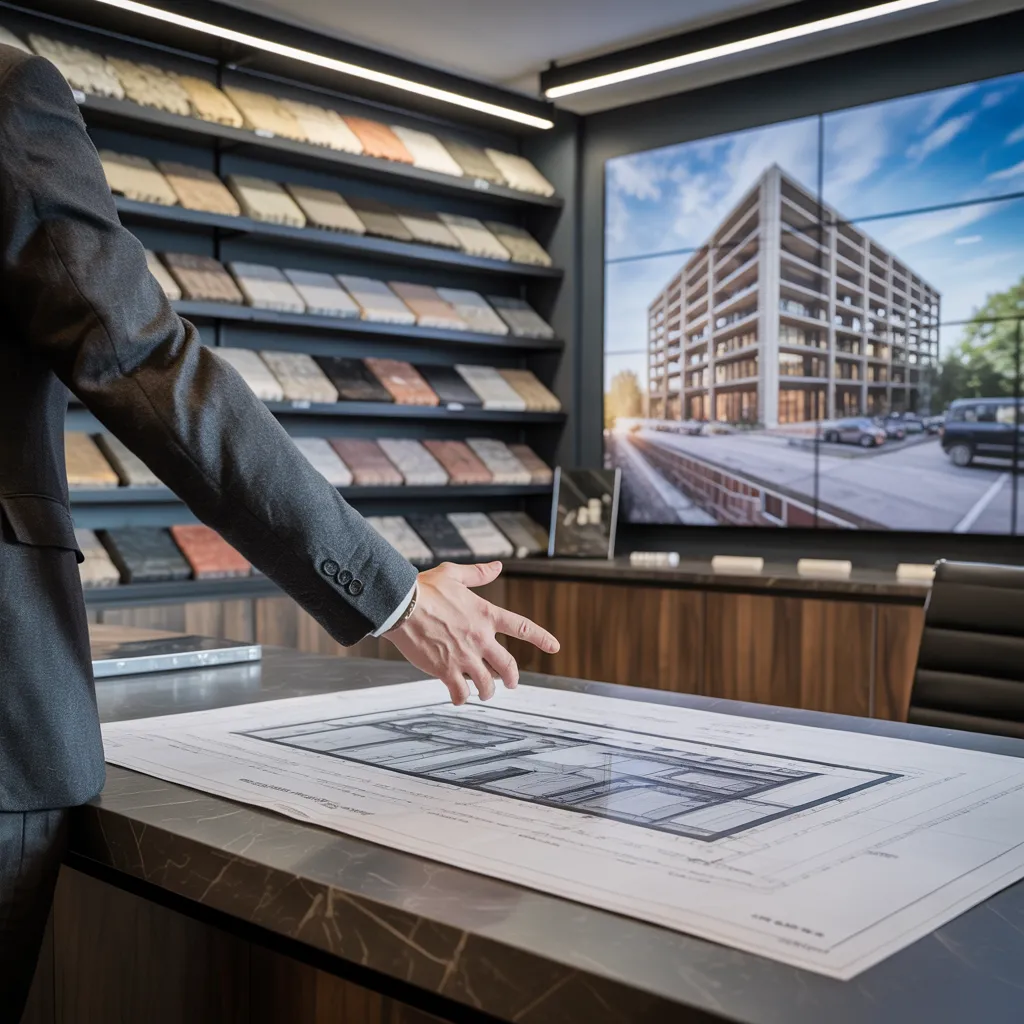
What Qualifications Should Your Masonry Contractor Possess?
When choosing a masonry contractor, it is crucial to evaluate their background to ensure quality workmanship. A qualified contractor should possess proper licensing and insurance, which safeguards both the homeowner and the contractor in case of injuries or property damage. Accreditations from reputable professional bodies can also reflect a contractor's proficiency and adherence to quality guidelines. Practical industry experience is another key consideration; a veteran contractor is likely to have a portfolio showcasing successful projects. Testimonials and referrals from past customers provide understanding of the contractor's dependability and standard of craftsmanship. Additionally, a solid understanding of building codes and regulations confirms that all work adheres to established regulations. By diligently evaluating these credentials, homeowners can make informed decisions, ensuring that their masonry project is finished with outstanding workmanship.
What Types of Masonry Work Should You Know?
What kinds of masonry work are typically in highest demand? Many homeowners regularly need a range of masonry services to strengthen structural soundness and boost curb appeal. One prevalent type is brickwork, utilized for walls, patios, and walkways, offering durability and visual charm. Natural stone masonry remains a highly requested option, perfectly suited for crafting sophisticated elements like fireplaces and retaining walls. The use of concrete masonry continues to rise for foundations and structural applications, delivering impressive durability and flexibility.
In addition, tuckpointing and repointing are vital for maintaining the integrity of existing brick or stone structures by restoring damaged mortar joints. Aesthetic masonry work, encompassing archways and garden features, can also beautify outdoor spaces. Ultimately, masonry repair services are essential for addressing wear and damage, ensuring longevity. Recognizing these different types of masonry work enables homeowners to make well-informed choices when choosing a contractor for their particular needs.
Important Questions to Ask Your Masonry Contractor
When hiring a masonry contractor, it is important to ask about their qualifications and experience. Knowing the project timeline and associated costs is just as important for effective planning. These key questions can help guarantee a positive result and productive partnership.
Professional Experience and Credentials
A qualified masonry contractor can substantially influence the quality and durability of a construction endeavor. When hiring a contractor, it is essential to inquire about their background and credentials. Key questions include how long they have been in the masonry industry, whether they hold any industry certifications, and if they have completed projects similar to yours. Prospective clients should also ask for references to assess past performance and customer satisfaction. Additionally, being aware of the contractor's commitment to safety and compliance with local building codes is crucial. By thoroughly evaluating these credentials, homeowners can be confident they choose a contractor who possesses the necessary expertise to deliver a durable and reliable foundation.
Project Duration and Budget
Comprehending the project timeline and costs is crucial for homeowners considering masonry work. It is important for homeowners to ask about the estimated duration for completion, as this can differ depending on project complexity and contractor availability. Furthermore, talking about potential setbacks from weather or material shortages is necessary for setting realistic expectations.
Cost transparency is equally important. Property owners should seek a thorough estimate encompassing labor, materials, and any supplementary costs. Clarifying payment schedules and financing options can also help in budget planning. Moreover, understanding warranty coverage for both materials and workmanship can provide peace of mind. By addressing these key questions, homeowners can make informed decisions and guarantee a smoother masonry project.
How to Verify a Contractor's Experience?
Examining a contractor's expertise is crucial for securing quality work. This is best done by confirming applicable credentials, examining past projects, and asking for trade references. All of these measures delivers clarity about the contractor's capabilities and reliability.
Confirm Pertinent Certifications
How can one guarantee that a masonry contractor has the required credentials? Checking pertinent certifications is a critical step in this process. A qualified masonry contractor should maintain licenses and certifications that demonstrate their skill and compliance with industry guidelines. Potential clients may begin by asking for copies of these records, ensuring they are current and valid. Furthermore, they should consult local licensing authorities or professional associations to verify the contractor's qualifications. Credentials from established organizations may suggest advanced training and dedication to excellence. It can also be worthwhile to explore their commitment to continued learning, as this demonstrates a contractor's commitment to keeping pace with modern methods and materials. Ultimately, verified certifications offer assurance of a contractor's competence and professionalism.
Examine Previous Projects
When assessing a masonry contractor's background, assessing completed projects is vital. This evaluation offers a glimpse into the contractor's workmanship and competence in handling a range of masonry projects. Prospective clients should examine a portfolio showcasing completed work, taking note of craftsmanship, design choices, and materials selected. It is beneficial to look for projects resembling the desired outcome, as this indicates the contractor's familiarity with specific challenges. Client testimonials associated with these projects can further illuminate the contractor's reliability and professionalism. Moreover, observing completed job sites, when possible, allows for direct observation of the contractor's output. In summary, a comprehensive examination of previous work aids in establishing whether the contractor can meet the homeowner's expectations and project requirements effectively.
Consult Industry References
There is no better way to assess a masonry contractor's experience than by seeking professional references? Speaking with former clients can offer valuable insight into the contractor's work ethic, dependability, and craftsmanship quality. It is advisable to ask for a list of references and contact them directly. Inquire about the overall satisfaction with the completed projects, adherence to timelines, and communication throughout the process. Furthermore, observing how the contractor manages difficulties can highlight their problem-solving capabilities. Prospective clients should also consider reaching out to suppliers and other professionals in the masonry field, as they can offer valuable perspectives on the contractor's reputation and expertise. These inquiries will help guarantee a well-informed decision in selecting the right masonry contractor.
How to Evaluate Quotes and Select the Best Choice
When reviewing quotes from masonry specialists, it is important to consider critical factors that can significantly affect both the budget and overall quality. To begin, it is important to thoroughly analyze the details of each quote, confirming they contain all necessary materials, labor, and timelines. A cheaper quote may appear attractive but could result in compromised quality or unexpected expenses.
Next, evaluate the professional's experience and expertise with comparable projects. This offers valuable insight into their trustworthiness and capability to achieve acceptable outcomes. Additionally, determine if the quotations contain service warranties or guarantees, which can demonstrate confidence in their work.
Additionally, the communication approach should not be overlooked; a professional contractor who is open and communicative can ensure a more seamless project process. By carefully analyzing these criteria, property owners can form sound judgments and select the contractor that ideally meets their requirements and goals.
Signs of a Reliable Masonry Contractor
A reliable masonry contractor exhibits a mix of experience, professionalism, and effective communication abilities. One of the clearest indicators is a strong take action portfolio showcasing completed projects, which illustrates their skill and dedication to quality. In addition, a reliable contractor will supply references from former clients, enabling prospective clients to assess their level of satisfaction.
Certifications and licenses serve as essential markers of dependability, as they affirm adherence to industry standards and regulations. In addition, a reputable contractor will provide clear and detailed estimates, detailing costs and timelines, establishing credibility with their clients. Effective communication is essential; a professional contractor addresses client concerns and delivers regular progress updates during the project.
In the end, an emphasis on using high-quality materials shows a focus on durable outcomes. By observing these signs, homeowners can wisely identify a masonry specialist who will deliver exceptional results for their house's structural foundation.
Common Questions and Answers
What Is the Typical Duration for Masonry Work to Be Completed?
Masonry projects generally require days to several weeks, based on project complexity, size, and weather conditions. Factors such as the intricacy of the design and the materials chosen may also considerably affect the project's overall completion timeline.
What Warranties Should I Anticipate From My Masonry Contractor?
Generally, a established masonry contractor offers warranties lasting anywhere from one to ten years, encompassing workmanship and materials. Home and property owners should thoroughly examine these warranties, confirming they are informed about what is encompassed and any exclusions that are applicable.
Is a Permit Necessary for Masonry Projects?
Yes, permits are often required for masonry construction, particularly for structural alterations or new building projects. Requirements change based on your location, so consulting local building authorities or the contractor ensures adherence to all necessary legal requirements.
How Do Weather Conditions Affect Masonry Work?
Meteorological conditions heavily influence masonry work. Cold temperatures can slow curing, while high temperatures may trigger fast drying. Precipitation can threaten the structural soundness, demanding meticulous scheduling and coordination to guarantee ideal results during construction.
What Maintenance Does Masonry Require After Installation?
Masonry requires regular maintenance like sealing joints, cleaning, and checking for cracks or damage. Promptly addressing moisture issues and maintaining proper drainage will considerably lengthen the longevity of the structure and maintain its aesthetic appeal.